
More Information
Submitted: March 30, 2026 | Accepted: April 13, 2026 | Published: April 14, 2026
Citation: Reynolds JW, Reynolds WM. Earthworm Use in Medicine as an Expression of Indigenous Practices. Clin J Nurs Care Pract. 2026; 10(1): 016-019. Available from:
https://dx.doi.org/10.29328/journal.cjncp.1001063.
DOI: 10.29328/journal.cjncp.1001063
Copyright License: © 2026 Reynolds JW, et al. This is an open access article distributed under the Creative Commons Attribution License, which permits unrestricted use, distribution, and reproduction in any medium, provided the original work is properly cited.
Keywords: Indigenous medicine; Earthworm therapy; Traditional ecological knowledge; Bioprospecting; Colonial history; Nursing practice; Integrative health; Antimicrobial agents

Earthworm Use in Medicine as an Expression of Indigenous Practices
John Warren Reynolds1,2* and Wilma M Reynolds1
1Oligochaetology Laboratory, 9-1250 Weber Street East, Kitchener, ON N2A 4E1 Canada
2New Brunswick Museum, 277 Douglas Avenue, Saint John, NB E2K 1E5 Canada
*Corresponding author: John Warren Reynolds, Oligochaetology Laboratory and New Brunswick Museum, 9-1250 Weber Street East, Kitchener, ON N2A 4E2, Canada, Email: [email protected]
Earthworms have been used medicinally for millennia across multiple cultures. Their therapeutic use is deeply rooted in Indigenous knowledge systems, where healing practices are grounded in relationships with land, animals, and ecological processes. This manuscript synthesizes evidence on the Indigenous origins of earthworm-based remedies, situating them within broader traditions of Indigenous medicine and contemporary biomedical interest. Recognizing these origins is essential for ethical scholarship, cultural respect, and the responsible integration of traditional knowledge into modern health frameworks.
Indigenous medical systems incorporate natural materials—including plants, minerals, and animals—into healing practices that emphasize spiritual, emotional, physical, and ecological balance [1–3]. Within these relational worldviews, earthworms have long been recognized as organisms with therapeutic potential. Their use predates Western biomedical frameworks and reflects deep ecological knowledge grounded in observation and intergenerational transmission [4-6].
Indigenous epistemologies and relationality
Indigenous knowledge systems are rooted in relationality, where humans, animals, plants, waters, and soils exist in reciprocal relationships. Knowledge is generated through long-term observation, ceremony, and land-based practice. Medicines are understood as living beings, and harvesting is conducted with respect and ethical responsibility [1,3].
Diversity of indigenous healing modalities
Indigenous healing practices include plant, animal, and mineral-based medicines; hands-on therapies; energetic and ceremonial practices; and community-based healing models [1]. These modalities remain central to Indigenous wellness frameworks and are increasingly recognized within contemporary health systems.
Earthworms in traditional medicine
Earthworms have been used in traditional medicine for at least 2,300 years, with documented applications in India, China, Japan, Vietnam, and Korea [4,7].
South asian indigenous systems
In Ayurveda, earthworm extracts (bhūmi chikitsā) were used for 1) inflammation, 2) fever, 3) wound healing, and 4) humoral imbalance [7].
East Asian indigenous systems
In Traditional Chinese Medicine, earthworms (Di Long; 帝龍 or 蚯蚓地魔) were used to treat convulsions, asthma, hypertension, and joint inflammation [4,6].
Amazonian and Southeast Asian indigenous knowledge
Indigenous groups in the Amazon basin and Southeast Asia use earthworm-based poultices and decoctions for wound healing, infection control, and fever reduction [4]. Japanese Kampo medicine and Vietnamese traditional medicine contain similar uses.
Ecological observation as knowledge production
Indigenous healers recognized earthworms’ regenerative abilities and antimicrobial resilience long before modern science identified the biochemical compounds responsible. This reflects sophisticated empirical knowledge grounded in ecological observation.
Biomedical interest in earthworm-derived therapies
Modern biomedical research has validated several traditional claims. Earthworms possess antimicrobial peptides, immunologically active compounds such as lysenin and lumbrokinase, and anti- inflammatory and regenerative enzymes [7-10]. These findings have renewed scientific interest in earthworms as models for innate immunity, wound healing, and drug discovery.
Colonial suppression of indigenous medicine
Colonial authorities across North America, Asia, Africa, and Oceania systematically suppressed Indigenous healing practices. Policies criminalized ceremonies, delegitimized Indigenous knowledge, and imposed Western biomedical systems. In Canada, the Indian Act R.S.C., 1985, c.I-5 and residential schools disrupted knowledge transmission and targeted healers [11]. Similar suppression occurred under British rule in India, where Ayurvedic and Siddha practitioners were marginalized [12-14]. Earthworm-based remedies, like many Indigenous practices, survived through community resilience and intergenerational protection (Figure 1).
This infographic illustrates the cultural and ecological foundations of earthworm-based medicine within Indigenous healing systems. Four thematic quadrants—Indigenous Origins, Traditional Uses, Colonial Impact, and Bioethical Issues—surround a central earthworm, highlighting its antimicrobial properties and symbolic healing role. The visual emphasizes the continuity of traditional knowledge and its relevance to contemporary biomedical inquiry.
Bioprospecting risks
As biomedical interest in earthworm-derived compounds grows, concerns arise regarding the extraction of biological materials or knowledge without permission, compensation, or recognition.
Knowledge appropriation
Indigenous knowledge is frequently cited in biomedical literature without naming the communities that developed it.
Indigenous governance
Ethical research requires community consent, benefit sharing agreements, recognition of Indigenous intellectual property, and protection of sacred knowledge. Earthworm- derived therapies illustrate the need for frameworks that respect Indigenous sovereignty.
Clinical relevance for nursing practice
For nursing professionals, understanding Indigenous healing systems—including lesser-known modalities such as earthworm-based remedies—supports culturally safe care. Key implications include:
Cultural safety: Nurses must recognize Indigenous medicines as legitimate knowledge systems rather than “alternative” or “unscientific” practices.
Holistic assessment: Awareness of traditional remedies helps nurses conduct culturally informed assessments and avoid misinterpreting patient practices.
Therapeutic relationships: Respecting Indigenous knowledge strengthens trust, which is essential for effective care in Indigenous communities.
Integrative care: Nurses increasingly work in settings where Indigenous and Western health systems intersect; familiarity with traditional medicines supports collaborative care planning.
Ethical awareness: Nurses should understand the risks of bioprospecting and knowledge appropriation to advocate for Indigenous intellectual property rights.
This knowledge enhances clinical competence, supports reconciliation in healthcare, and aligns with nursing commitments to equity and cultural humility (Figure 2).
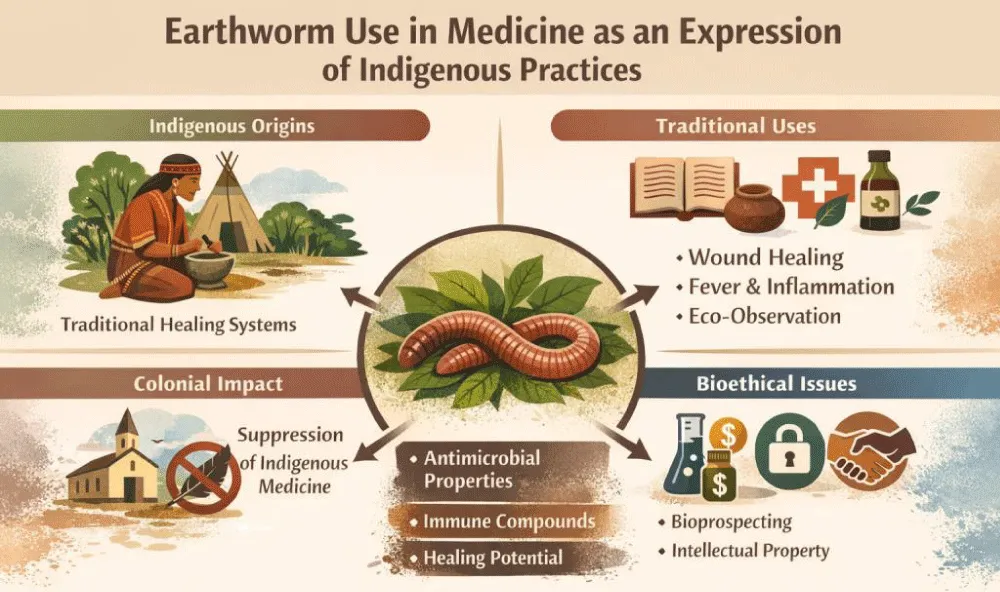
Figure 1: Indigenous Knowledge and Earthworm Medicine.
This infographic illustrates the cultural and ecological foundations of earthworm-based medicine within Indigenous healing systems. Four thematic quadrants—Indigenous Origins, Traditional Uses, Colonial Impact, and Bioethical Issues—surround a central earthworm, highlighting its antimicrobial properties and symbolic healing role. The visual emphasizes the continuity of traditional knowledge and its relevance to contemporary biomedical inquiry.
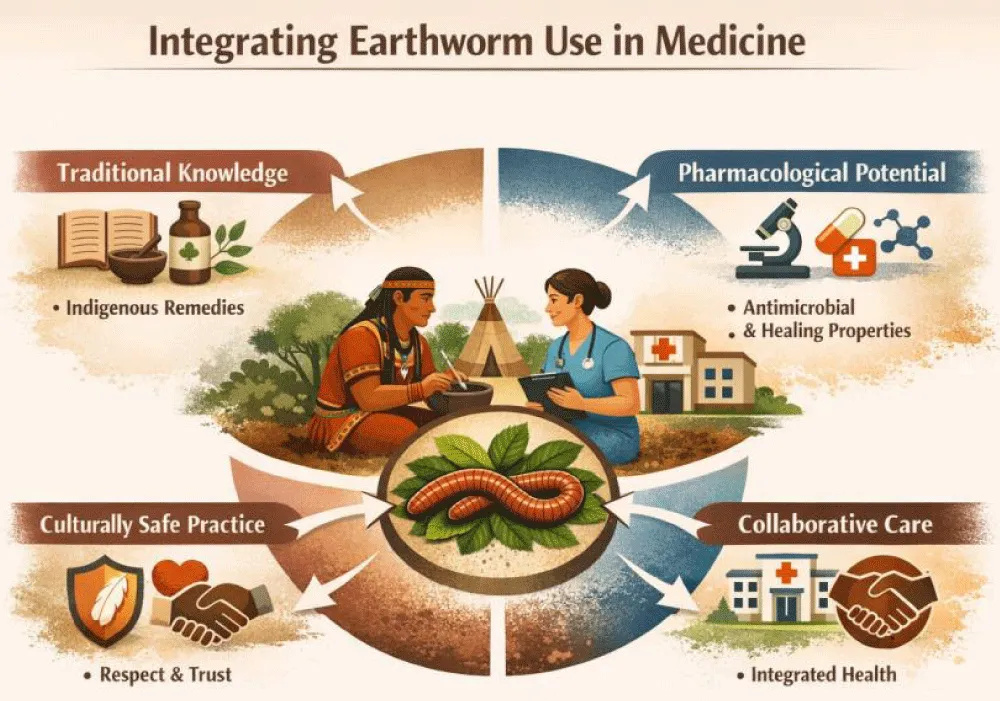
Figure 2: Integrating Earthworm Use in Clinical Practice.
This visual depicts the collaborative potential between Indigenous healers and nursing professionals. Four quadrants—Traditional Knowledge, Pharmacological Potential, Culturally Safe Practice, and Collaborative Care—encircle a central image of an Indigenous healer and nurse. The graphic emphasizes the importance of cultural safety, respect for traditional remedies, and the integration of Indigenous knowledge into nursing care.
Health systems increasingly recognize the value of Indigenous knowledge. Integration efforts emphasize cultural safety, Indigenous governance, respect for ceremony, and community-based models of care [1–3]. Earthworm-based remedies demonstrate how Indigenous ecological knowledge can inform contemporary health practices when approached ethically (Figure 3).
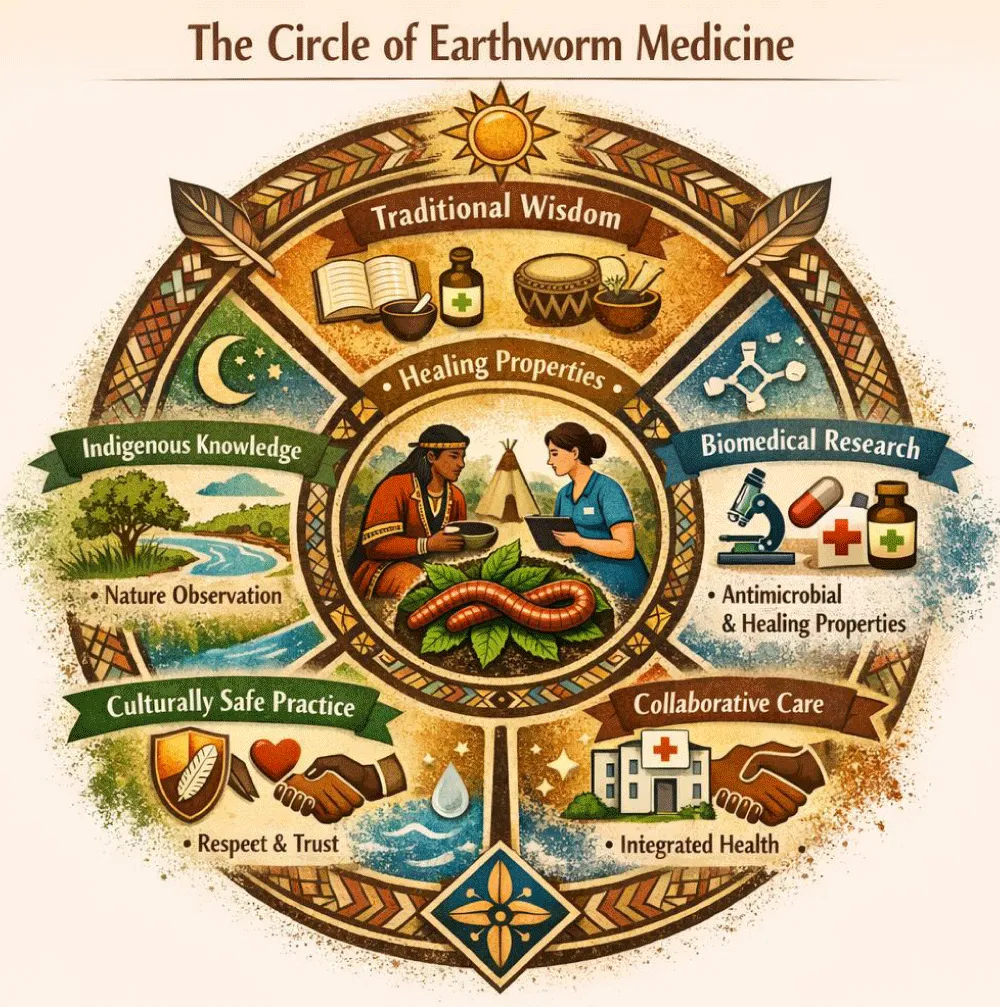
Figure 3: The Circle of Earthworm Medicine (Mandala Style).
This mandala-style graphic represents the cyclical and interconnected nature of Indigenous earthworm medicine. Concentric rings highlight Healing Properties, Indigenous Knowledge, Ecological Insight, Biomedical Research, and Nursing Practice. Cardinal symbols and cultural motifs frame the image, reinforcing the holistic worldview that underpins traditional healing. The visual serves as a symbolic synthesis of science, tradition, and care.
This mandala-style graphic represents the cyclical and interconnected nature of Indigenous earthworm medicine. Concentric rings highlight Healing Properties, Indigenous Knowledge, Ecological Insight, Biomedical Research, and Nursing Practice. Cardinal symbols and cultural motifs frame the image, reinforcing the holistic worldview that underpins traditional healing. The visual serves as a symbolic synthesis of science, tradition, and care.
Earthworm use in medicine is firmly rooted in Indigenous practices across multiple cultures. These traditions reflect deep ecological knowledge and holistic approaches to health. Contemporary biomedical research continues to explore earthworms’ pharmacological potential, often confirming insights long held within Indigenous healing systems. Ethical integration requires recognition of Indigenous origins, respect for intellectual property, and culturally safe approaches to knowledge translation.
Author contributions
Conceptualization: JWR; Manuscript drafting: JWR & WMR; Literature synthesis: JWR; Critical revisions: JWR & WMR; Final approval: JWR & WMR
Ethics statement
This manuscript is a narrative synthesis and does not involve human participants, animals, or identifiable personal data. No ethics approval was required.
- Aboriginal Medicine and Healing Practices. LFS Indigenous Research Partnerships. n.d. Available from: https://aboriginal.landfood.ubc.ca
- First Nations Health Authority. Traditional Wellness and Healing. (n.d.) Available from: https://www.fnhn.ca
- Turner NJ. Indigenous Peoples' Medicine in Canada. The Canadian Encyclopedia. 2019. Available from: https://www.thecanadianencyclopedia.ca
- Reynolds JW, Reynolds WM. Earthworms in medicine. American Journal of Nursing. 1972; 72(7): 1273. PMID: 4555239, Available from: https://doi.org/10.1097/00000446-197207000-0003
- Reynolds JW, Reynolds WM. Earthworms' indirect effect on medicine - A Novel Concept. PriMera Scientific Medi-cine and Public Health. 2025; 5(6): 34-38. ISBN 2836-0028. Available from: https://primerascientific.com/pdf/pssrp/PSSRP-05-190.pdf
- Reynolds JW, Reynolds WM. Further earthworms in medicine - a review. Megadrilogica. 2025; 29(9): 161-169.
- Verma S, Sirbaiya AK, Yadav P, Shukla R, Sharma R. Exploring the medicinal and ecological significance of earthworms: A comprehensive review of their antimicrobial properties and traditional uses. African Journal of Biomedical Research. 2024; 27(4S): 15371-15375. Available from: https://doi.org/10.53555/AJBR.v27i4S.7673
- Cooper EL. Earthworms as a Model for Immune Research. Pedobiologia. 2003; 47: 676-688. Available from: https://doi.org/10.1078/0031-4056-00245
- Reynolds JW, Reynolds WM. Earthworms (Annelida: Oligochaeta) as emerging bioactive resources in modern med-icine: a comprehensive review. PriMera Scientific Medicine and Public Health. 2026; 7(4): 3-6. ISBN: 2836-0028. Available from: https://primerascientific.com/journals/pssrp/PSSRP-07-255
- Zhu, Z., Deng, X., Deng, Z., et al. Pharmacological effects of bioactive agents in earthworm extract: A comprehensive review. Animal Models and Experimental Medi-cine. 2024; 7(5): 653-672. Available from: https://doi.org/10.1002/ame2.12465
- Lajoie-O'Malley A, Bronson K, Blue G. 'Consent' as epistemic recognition: Indigenous knowledges, Canadian impact assessment, and the colonial liberal democratic order. Social Studies of Science. 2023; 53(4): 545-571. Available from: https://journals.sagepub.com/doi/10.1177/03063127231177311
- Jaiswal Y. Ayurveda and the challenges of globalization: Historical suppression and contemporary revival. Journal of Traditional and Complementary Medicine. 2018; 8(3): 386-390.
- Bi S. Colonialism, medical pluralism, and the marginalization of Indigenous healing systems in South Asia. Social History of Medicine. 2020; 33(4): 987-1005.
- Pandey A, Rai R. Traditional medicine under colonial rule: Negotiating authority and legitimacy in India. Indian Journal of History of Science. 2021; 56(2): 145-160.